


After finishing the chapter “The Rose Garden,” I walked back outside and stood quietly among the roses.
In that moment, I noticed something simple, yet profound:
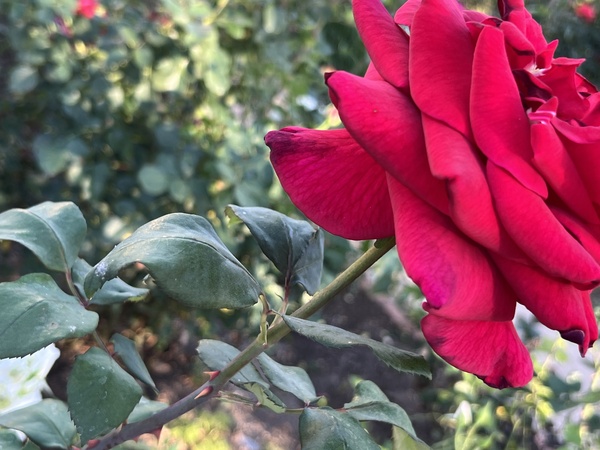
No matter the color of the rose—red, white, pink, or yellow—
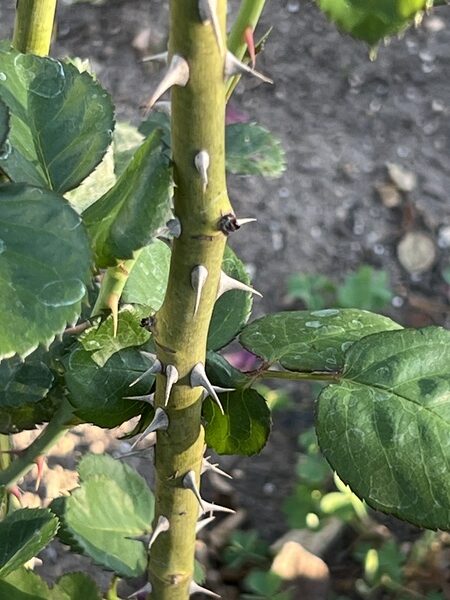
where there are roses, there are always thorns.
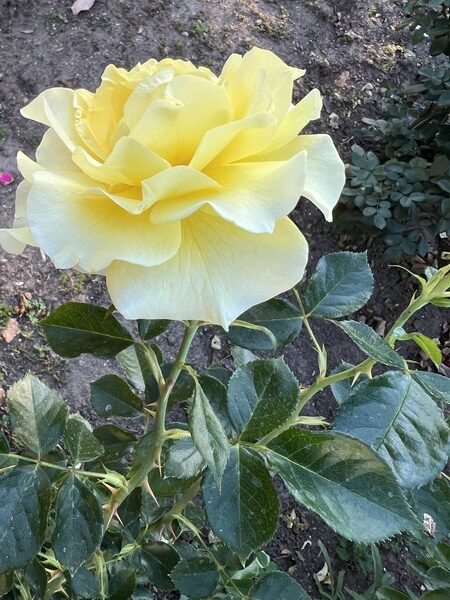
Such beauty,
and yet it is born with protection.
Standing there, my mind drifted back to the darkest period of my life.
I had just emerged from a devastating scam.
Inside, I felt hollow, as if everything had been taken from me.
Every day, I held a shovel and dug into the dry, lifeless lawn.
The soil was hard.
My heart hurt even more.
I believed that if I kept digging—kept moving, kept doing—
the pain might eventually fade.
But it didn’t.
The pain stayed.
I was searching desperately for a way out,
for a reason to keep going.
And during that time, I began planting roses.
Only later did I understand—
it was not a coincidence.
It was grace.
On my street, nearly every yard is a perfect stretch of green lawn.
Only ours is filled with roses.
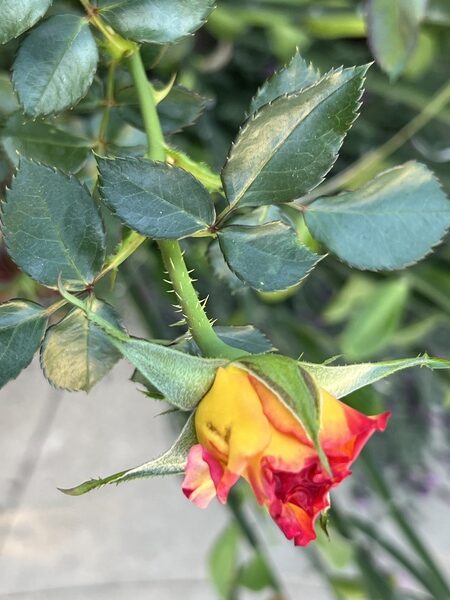
Red, pink, white, yellow—
rising one by one from the soil.
When journalists began coming to my home, they often stopped at the end of the street.
Because this was the only place where flowers bloomed.
They would walk through the garden, breathing in the scent of roses, before reaching my door.
Sometimes I wonder—
perhaps in those few moments, they experienced a small measure of healing too.
Because by the time they sat down to hear my story,
it was no longer only about pain.
It had begun to grow into something else.
Strength.
A quiet, steady form of resistance.
During that time, I traveled back and forth between the California State Senate and the State Assembly, advocating for SB 278.
The bill aimed to hold banks more accountable in fraud cases and provide greater protection for seniors.
After countless hearings, debates, and votes, we gained overwhelming support.
But at the final step, it was vetoed.
By Governor Gavin Newsom.
That day, I cried for a long time.
A reporter called and asked,
“What will you do next?”
What they really meant was:
Will you keep going?
And I knew my answer.
My work would not stop because SB 278 failed.
If California could not make it happen,
then we would take this fight across the United States—
and beyond.
Around that time, a documentary filmmaker contacted me.
During our first Zoom meeting, I noticed a deep anger in his eyes.
Later, I learned why.
His father-in-law had lost $2,750,000 to the same scam network.
This film was his way of fighting back.
A four-part documentary to expose pig-butchering scams—
their history, their structure, and the stories of victims.
For the first time, someone was not just offering sympathy.
They wanted to expose the system.
So I said yes.
At the same time, I began exploring another idea:
Turning my own story into a film.
The screenplay is still being written.
The next step is finding people willing to believe in it.
It won’t be easy.
But if the right time, place, and people come together,
this story will be told.
Because the goal is simple:
To prevent others from becoming victims.
Around that time, we also reached a settlement with the bank.
The case was resolved—confidentially.
On the surface, it seemed like everything was over.
But the next morning, during prayer, I felt something clearly in my heart:
This work is not finished.
As long as these scams exist,
this mission continues.
Not long after, Front Line PBS and the Associated Press collaborated on a one-hour special about pig-butchering scams.
The entire interview team came to my home.
That afternoon, my daughter, my attorney, and I were interviewed together.
What surprised me most was this:
They had carefully read through more than 800 pages of chat logs between me and the scammer.
It was a monumental effort.
But they wanted to understand.
I was later told that the documentary may eventually be distributed to schools and senior centers for fraud prevention education.
If that happens,
perhaps more people will be protected.
That evening, I walked back into my rose garden.
The setting sun rested softly on the petals.
I looked down—
and saw the thorns.
And in that moment, I understood:
Roses do not bloom in spite of their thorns.
They bloom because of them.
Perhaps life is the same.
Sometimes pain is not the end of the story.
Sometimes
pain is what brings the garden into being.
And these roses—
they are no longer just flowers.
They are witnesses.
Witnesses that even in the darkest moments,
life can still bloom again. 🌹




)